
What Animals Know That We Don't
By Isabella Galante
Last time I was near a lake in Huacachina, in Peru, I watched a bird pick its way along the shoreline with the kind of focused, unhurried confidence that only exists in creatures who have no meetings to attend. It was beautiful. It was also navigating near a chip bag, two candy wrappers, a plastic bag, and what appeared to be the remains of a styrofoam cup.
And it didn't flinch.
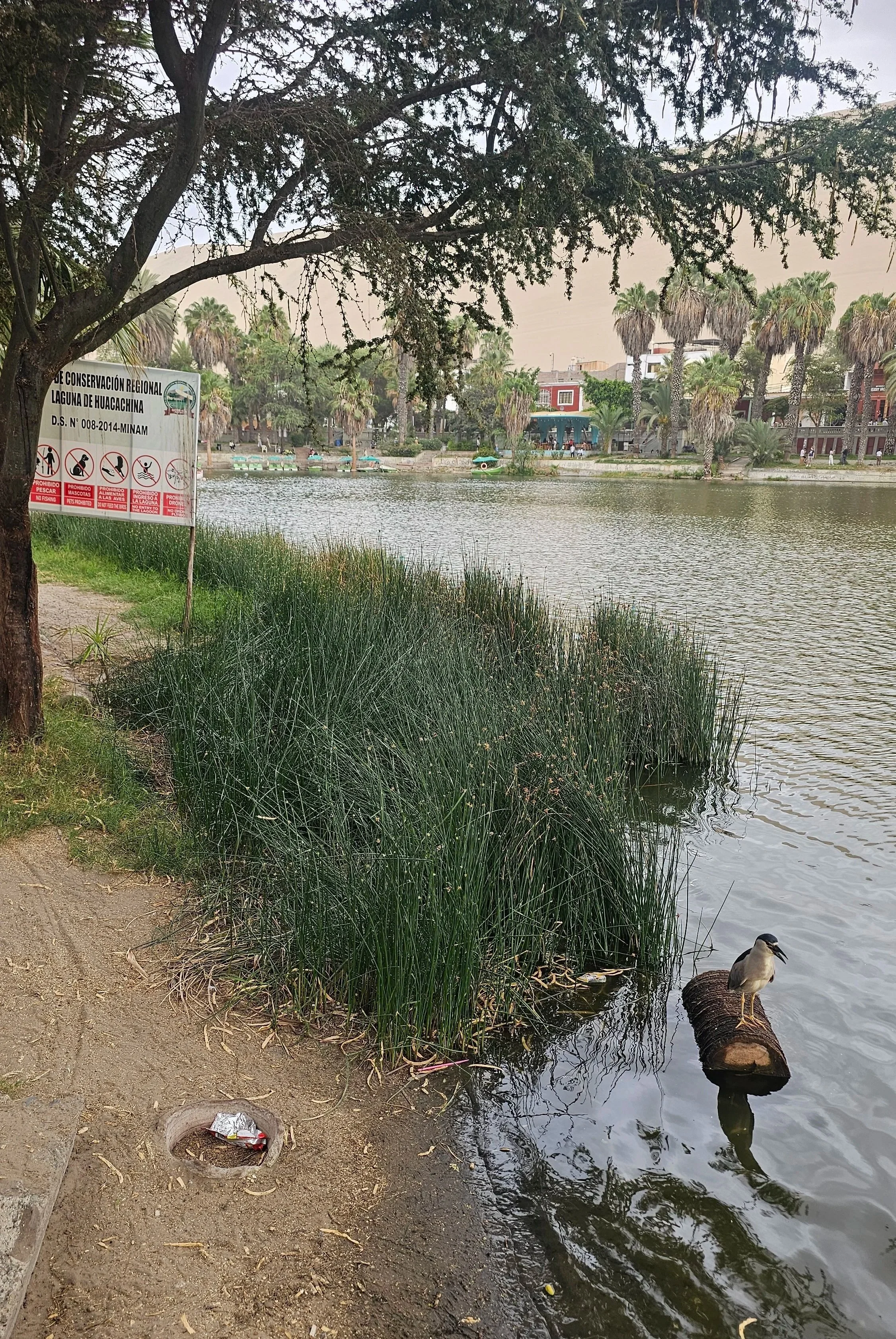
That image has stayed with me — not because it was depressing, though it was, but because of what it revealed. That bird wasn't defeated by what surrounded it. It had simply adapted. Incorporated the wreckage of human behavior into the routine of survival and kept moving.
We know that birds and fish can die from ingesting packaging — the foil from a candy wrapper, a snack bag fragment, a bottle cap. The research is clear, the images are harrowing, and the damage is real. But what strikes me, standing on the edge of a polluted beach or a lake ringed with litter, is how many of them are still there. Still feeding. Still raising young. Still doing the thing they have always done, in spite of us.
That's not a small thing. That's resilience at a scale we rarely stop to appreciate.
Resilience tends to get romanticized when we talk about humans — we turn it into a brand, a motivational poster, a comeback story with a clean ending. But animal resilience is quieter and more radical than that. It doesn't require acknowledgment. It doesn't pause to grieve what's been lost before finding a new way through. It simply continues.
And sometimes it takes forms that are quietly heartbreaking.
Adapting to the Mess We Made
A very recent study (published in Nature Scientific Reports, April 2026) shows that scientists identified in Gibraltar that Barbary macaques — the only wild primates on the European continent — have started deliberately eating soil on a regular basis. The scientists believe that the chocolate, chips, and ice cream offered by or stolen from tourists, which make up a substantial part of some macaques' diets, are disrupting gut microbiome composition and leading to changes in their culture. The connection is hard to ignore: macaques near the top of the Rock, where tourism is heaviest, ate the most junk food and the most dirt — sometimes chowing down on soil right after eating a tourist treat. When tourist numbers dropped in winter, the eating soil habit dropped with them. It is, in its own way, an extraordinary act of adaptation. It is also the direct result of tourists thinking it's fun to hand an ice cream cone to a wild primate.
That's the thing about adapting to damage — it doesn't make the damage go away. It just means surviving it, for now, at a cost that's hard to fully calculate.
What Picking Up Trash Does to You
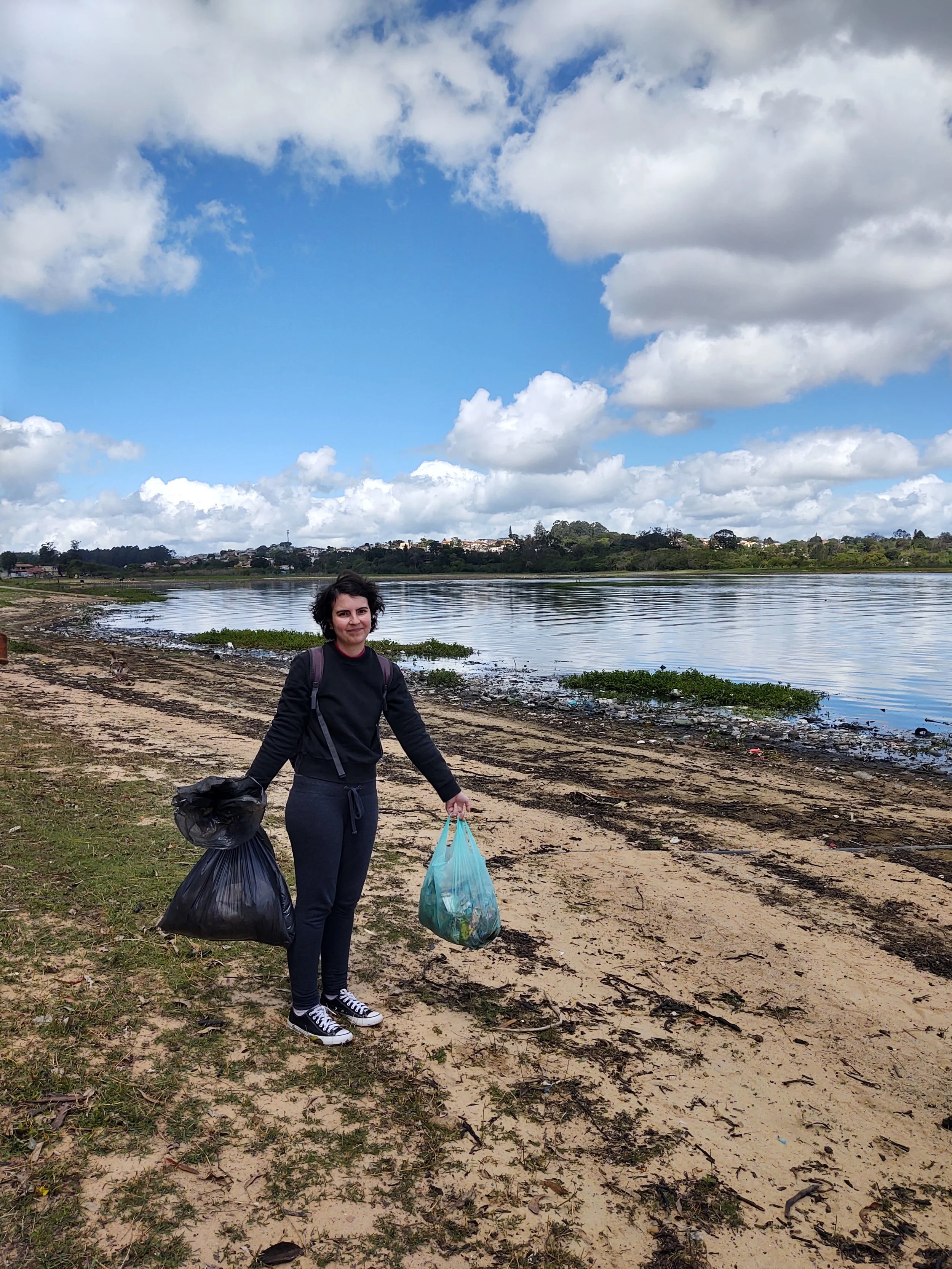
I've done a few volunteer cleanups — parks, squares, the edges of reservoirs — and the experience rewired something in me permanently. You can read the statistics about plastic pollution and feel appropriately bad about it. Then you spend a morning picking cigarette butts out of the mud, filling bottle after bottle with them, and something shifts. The scale of it stops being abstract.
I never buy a bag of chips anymore without thinking about the fact that the packaging won't be recycled — that mix of plastic and aluminum is essentially unrecyclable by design, made to be used once and discarded forever. I already hated cigarettes. Seeing how many butts accumulate in a single cleanup, how they work their way into every crack and waterway, made me angrier in a way that hasn't faded.
I know these actions are a drop in the ocean. But I've made my peace with that. My trash goes in the right bin, always, so it doesn't end up in a waterway. And on trips that were supposed to be restful, I find myself picking up litter along the trail, on the beach, at the roadside — because once you've seen it up close, you can't quite unsee it.
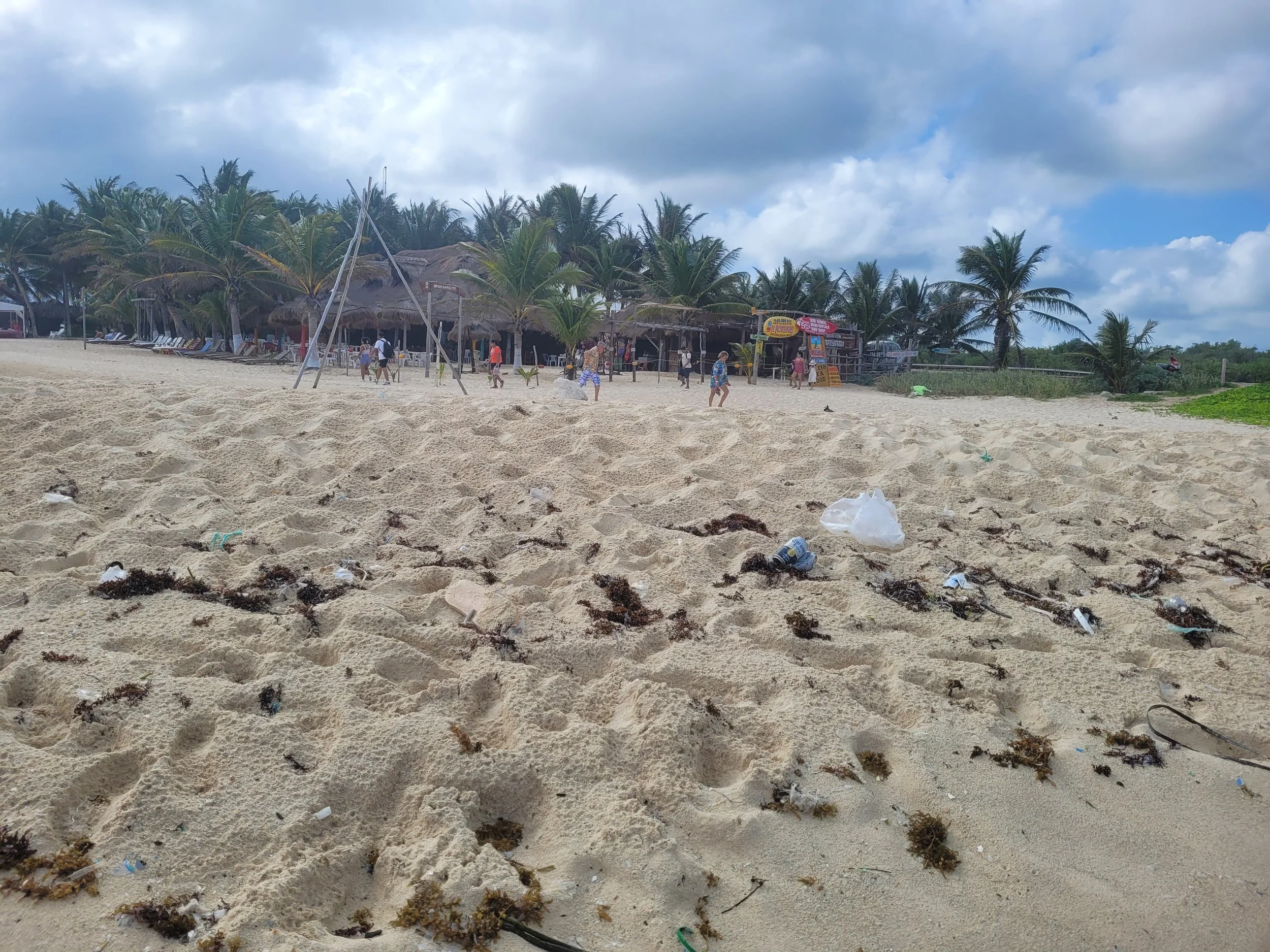
Which brings me to the question I can't stop sitting with: how do we normalize this? A beautiful hiking trail with garbage scattered along the path. A road trip through a stunning Greek island with plastic on the shoreline. A Mexican beach where the waves bring in as much debris as they take out. Is this just what tourist destinations look like now? Is this what all of them will look like eventually?
Will we ever be able to interact with nature again without the constant reminder of what we've done to it?
They'll Outlast Us. The Question Is What We Leave Them.
Climate change will push many species past the point of adaptation. Some are already there. The extinctions happening now and those still coming are real losses — ecological, moral, irreversible. We shouldn't soften that.
But some will remain. Species that have survived ice ages, mass die-offs, and the slow creep of habitat destruction across centuries will find a way to outlast this chapter too. Long after the consequences of our behavior have run their course, something will still be living in whatever is left of the world we inherited. The planet will continue, reorganized around whoever was stubborn and adaptable enough to stay.
There is something humbling in watching animals persist through all of this — and something instructive.
We spend a lot of time asking what we can do for animals. Protect them, rewild their habitats, reduce plastic use, and fight for legislation. All of that matters. But we ask less often what they might be showing us by simply persisting. By eating around the chip bag. By nesting in the altered landscape. By carrying on.
Maybe the lesson isn't dramatic. Maybe it's just this: adaptation is possible. The situation can be terrible, and survival can still be the outcome. You don't have to have caused the problem to be responsible for living through it.
We caused this one. The least we can do is pay attention to who's been navigating it longer than we have and make that a little easier for them.