
A New Film on Wild Commons Asks: What Does It Actually Take to Live With Crocodiles?
Many wildlife documentaries about large predators follow a familiar playbook. A dangerous animal enters human territory. Fear builds. Conflict becomes inevitable. Someone or something pays the price. Phir Bhi (Even So), the debut short from filmmaker Meghna Nandy, opens with a completely different premise: what if the conflict never happened in the first place?
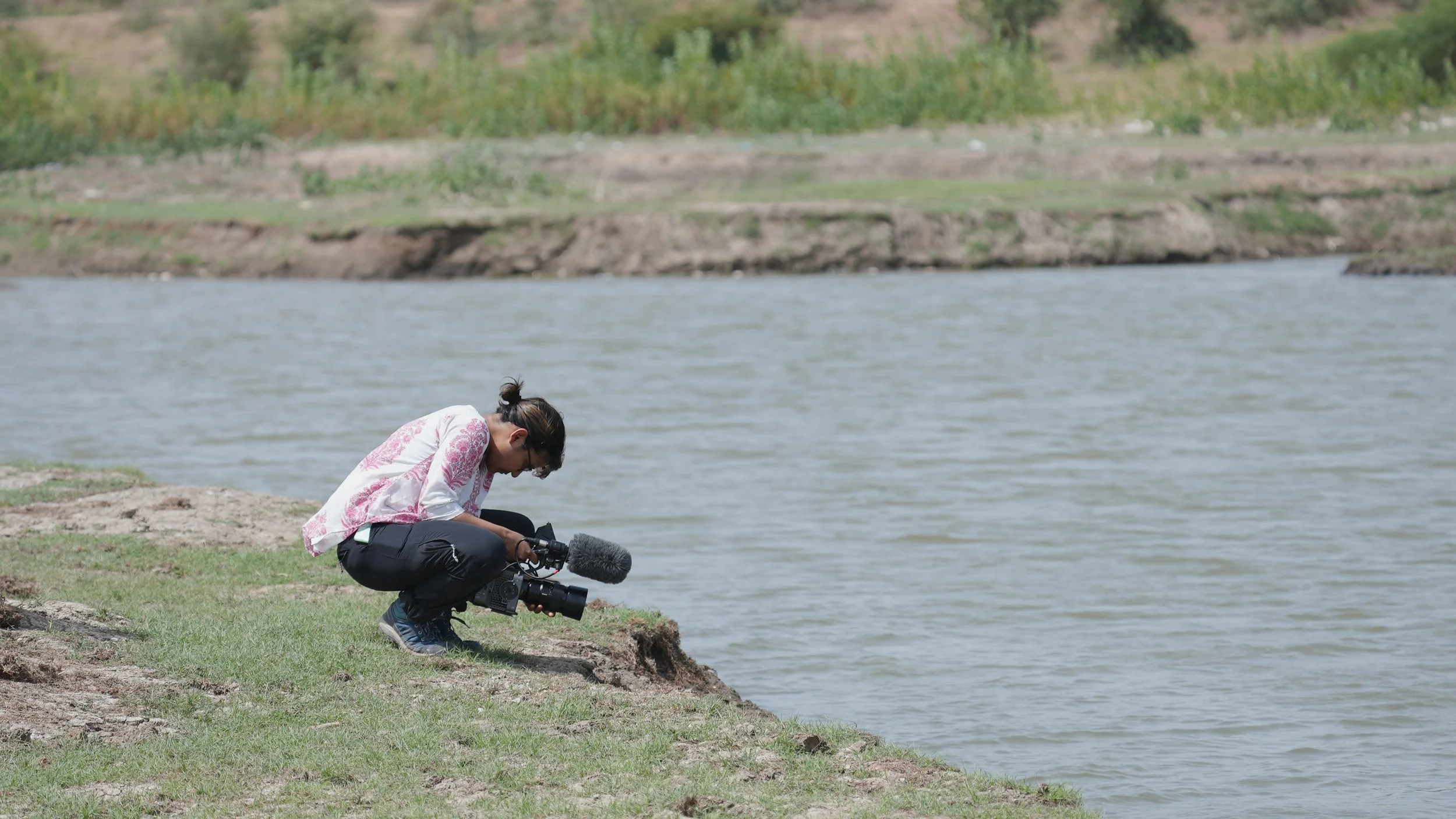
Filmmaker Meghna Nandy filming on location in Charotar, India.
The film takes viewers to the Charotar region of Gujarat, India, where local communities have spent generations living alongside mugger crocodiles — the country's largest freshwater predators. In a nation where human-wildlife conflict is rising sharply, Charotar is a genuine anomaly. Hundreds of crocodiles inhabit the region's wetlands, yet attacks remain remarkably rare. Fewer than ten in the last decade.
Phir Bhi wants to understand why.
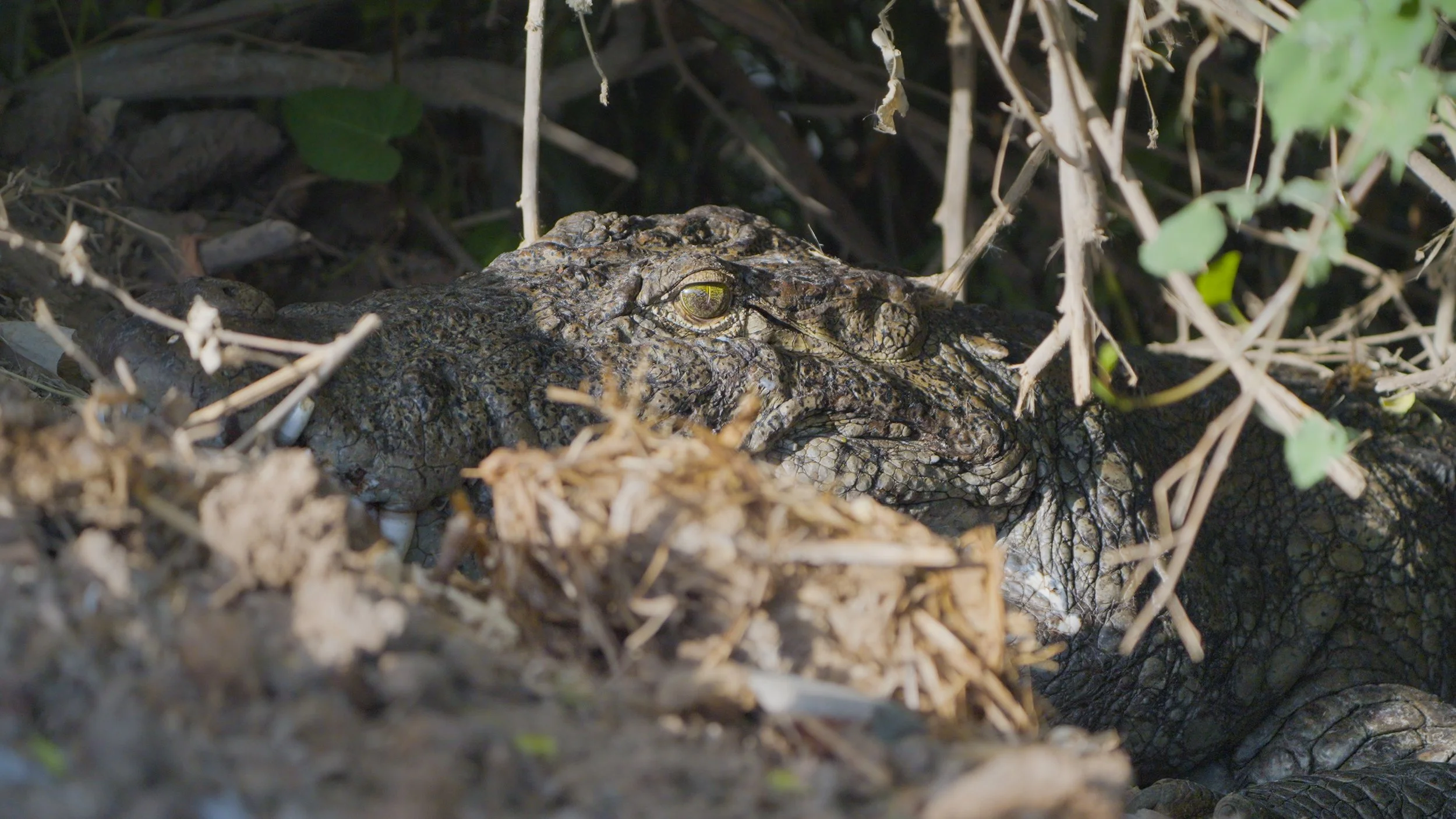
Still frame from Phir Bhi.
What viewers will find when watching the film isn't a simple feel-good story about animals and people getting along. It's something more honest and more interesting than that. Nandy carefully unpacks the social, ecological, and deeply human systems that make coexistence possible. She explores the generational knowledge of fishermen who understand these waterways intimately, the cultural frameworks that have shaped how communities relate to these animals, and the daily behavioral adaptations that have become second nature over time. Coexistence here isn't a policy outcome. It's a living practice, woven into the fabric of ordinary life.
And it's fragile. Development pressures are reshaping Charotar. Wetland ecosystems are under strain. The balance the film captures so vividly is real, but as Nandy makes clear, it is not guaranteed. That vulnerability gives Phir Bhi its emotional weight — and its urgency.
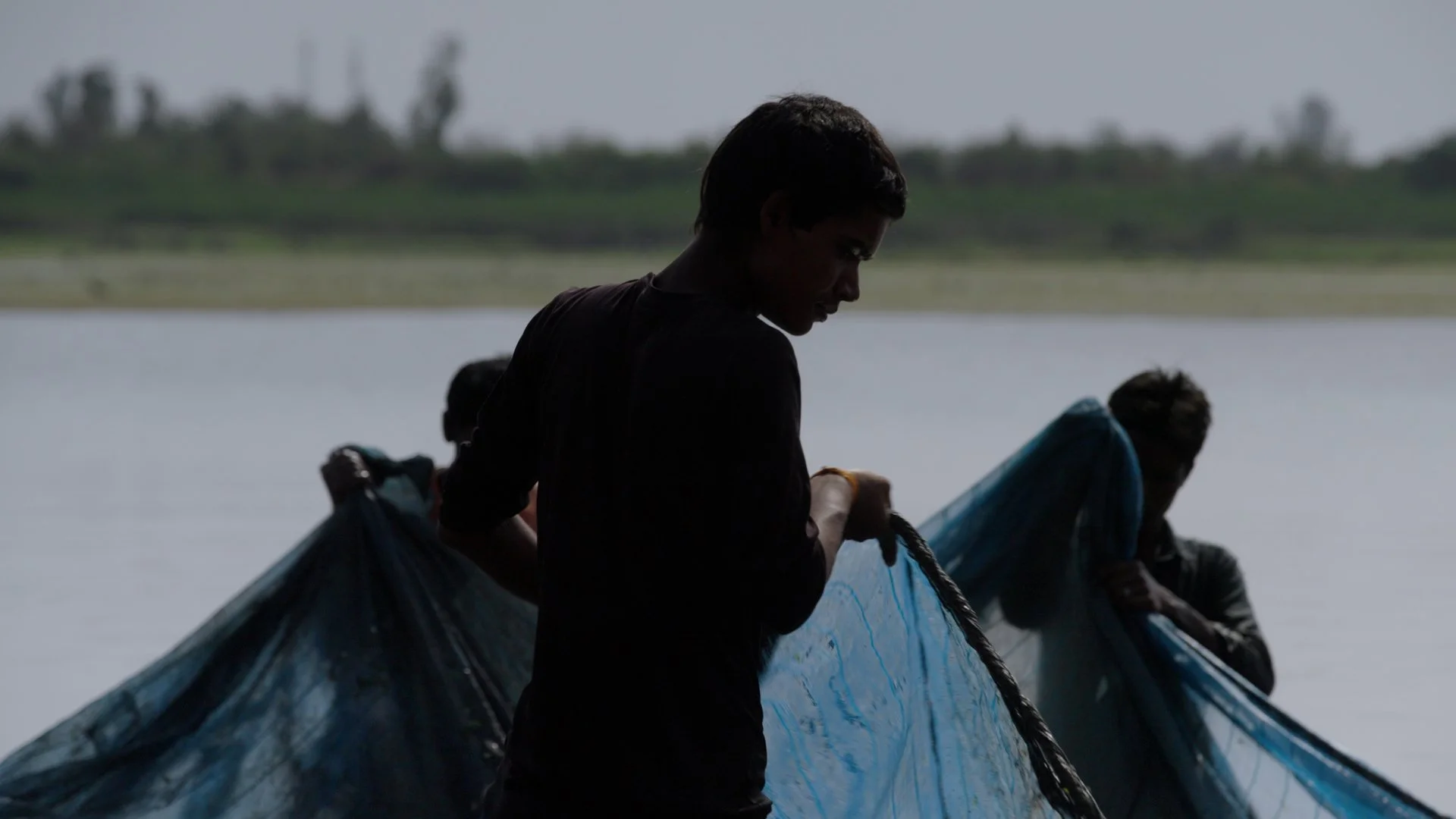
Still from Phir Bhi showing local fishers who work alongside crocodiles in Charotar.
The film earned the Best Student Film award at the International Wildlife Film Festival in 2025, where the jury noted that stories of genuine coexistence between humans and top predators are rare, and that Nandy's work stands out for its research, its filmmaking craft, and its willingness to center respect and cultural integration rather than fear.
Phir Bhi is now available to watch for free on Wild Commons, the YouTube channel co-founded by the Wild Lens Collective that brings award-winning conservation documentaries directly to audiences around the world. It's the kind of film that stays with you - not because it offers easy answers, but because it refuses to.
Watch Phir Bhi (Even So) on Wild Commons →
If you want more films like this one - stories that challenge the dominant narratives about nature and take seriously the complicated, hopeful, difficult work of conservation - subscribe to the Wild Commons YouTube channel. New films drop every month, and they’re all free to watch.
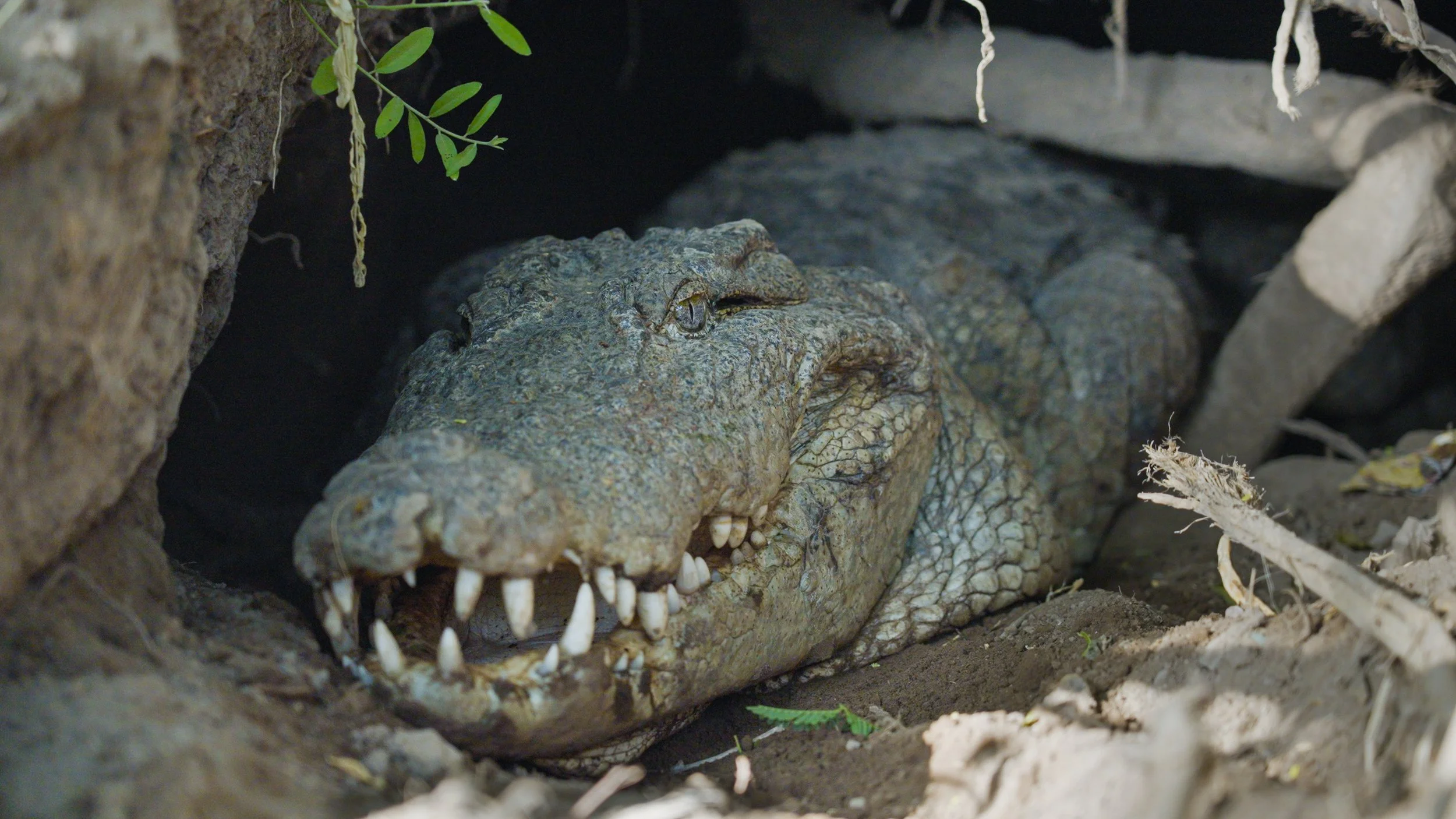
Still from Phir Bhi.