
An award-winning filmmaker turned down the traditional streaming route and put his film on YouTube for free. It has been watched more than ten million times.
Richard Ladkani’s previous documentaries reached global audiences through major streaming platforms. His latest film, Yanuni, took a different path. After premiering at Tribeca, screening at more than 100 festivals, and collecting nearly 40 awards, Ladkani and his collaborators released the film freely on YouTube, timed to Amazon Day on September 5th and coordinated with Climate Week in New York. The decision was not a fallback. It was a deliberate choice to ensure the film reached the communities it was made to serve, including people in Brazil who may not have access to paid streaming subscriptions.
In this interview with Wild Commons, Ladkani reflects on the six-year journey behind Yanuni, his collaboration with Indigenous leader and Amazon activist Juma Xipaya, and what the film’s unconventional release reveals about the changing documentary landscape. He describes learning Portuguese so he and Juma could communicate directly, building security protections into the production budget, and giving Juma a producer role with genuine authority over how her story would be told. He also addresses a shift he has observed among major distributors, who he argues are increasingly reluctant to acquire films about environmental destruction and climate change in favour of safer commercial categories. For Ladkani, that reluctance does not reflect a lack of public appetite. It reflects a failure of the traditional model to find the audience that already exists.
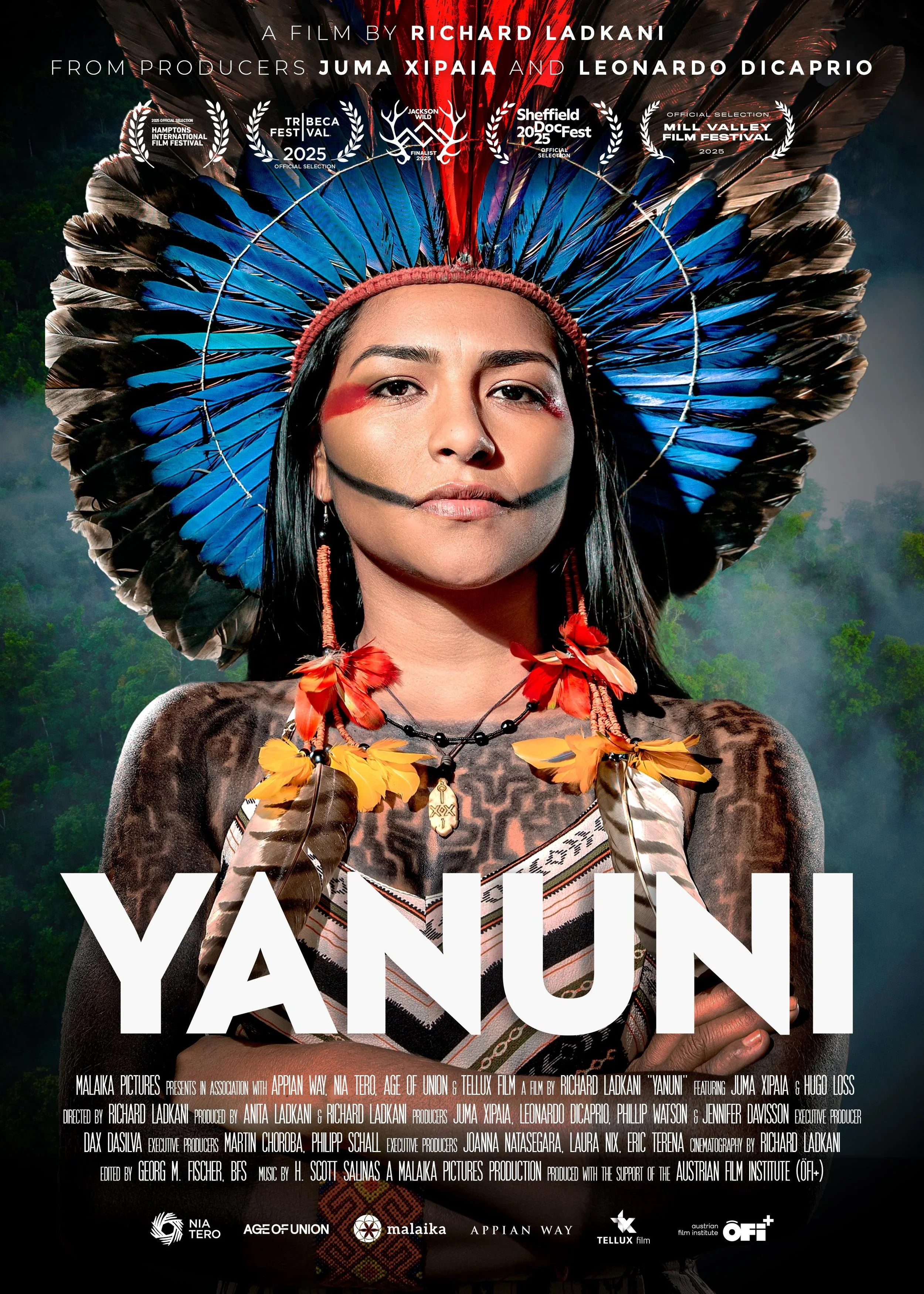
The conversation also covers what an independent YouTube release actually requires, including significant investment in publicity, social media, advocacy partnerships, and coordinated outreach, and why filmmakers need to think about distribution long before a festival premiere.
Why This Interview Matters
The documentary industry has long measured success through festival acquisitions and streaming deals. Yanuni’s trajectory raises a different question: whether those milestones actually deliver a film to the people it was made for. Ladkani’s experience offers a practical and honest account of what it takes to build an audience outside the traditional system, and why the goals of a film should determine its distribution strategy from the very beginning.
Watch award-winning nature and environmental films on our YouTube channel - Wild Commons. By watching these films and subscribing to the channel, you help support independent creators and the making of more of these films.