
What filming in the African bush actually looks like (and how to fund it without losing your mind)
Kendra Carano didn't set out to make a wildlife documentary. She set out to figure out if her two obsessions — film and animals — could somehow become one and the same.
Spoiler: they could. But it wasn't pretty.
Kendra is the director and producer behind Guardians of Conservation, a multi-episode documentary series filmed in the greater Kruger area of South Africa that goes behind the glossy nature doc surface to show what conservation actually looks like — the 4 AM wake-ups, the gut-punch decisions, the rangers who haven't seen their kids in weeks. She shot it as a two-person team, funded it largely through emails to all her contact list, and cried more than once in the field. She also wouldn't change it for anything.
We talked to her about what it really takes to film in Africa, and what filmmakers who want to do the same should know before they go.
"Everything was a challenge. I'm not kidding."
Here's the thing nobody tells you about wildlife filmmaking: nothing is on schedule, and that's not a bug, it's the entire operating system.
Kendra's team would plan a filming day, then get a text at 10:15 AM: "be ready in 10 minutes." Or they'd think they had the afternoon off, and then a call would come in about a sedated elephant, and she'd be sprinting around trying to find her camera partner before racing to the scene.
"You're a little discombobulated, but you have to film in that moment," she says. "You're also filming in crazy elements — on the back of a jeep with crazy wind or out of a helicopter. The lighting's always bad. I never get a good day of lighting."
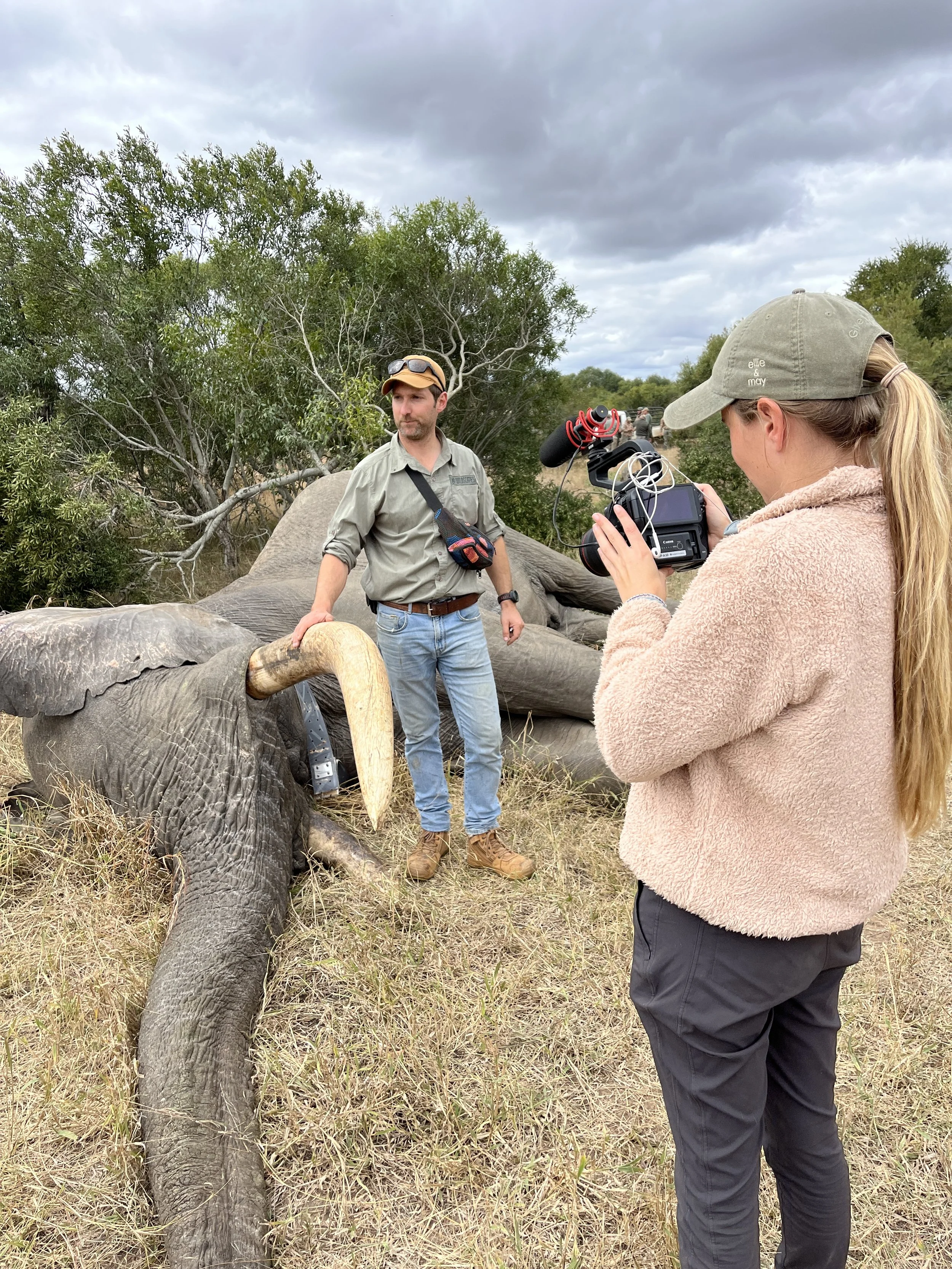
Add 14-hour days, stretches of camping with no running water or toilets, and the occasional rhino charge, and you start to understand why her camera partner told her it was the most stressful job he'd ever had.
And that's before the emotional weight of the content itself. Kendra talks openly about the mental health toll of conservation filmmaking — the dead animals found in snares, the hard decisions that have to be made to save a species at the cost of an individual, the moment they filmed a hero of theirs having to shoot a baby elephant and then watched him break down after.
"I get home after filming, and I just have to go to my room and cry," she says. "And it makes me think about what they see 12 months a year."
What she'd tell anyone who wants to do this
Be genuinely obsessed with your subject. Not "this would make a good film" obsessed. Full-on, can't-stop-thinking-about-it obsessed. Because there will be days when everything goes sideways, and the only thing that gets you through is the fact that you actually care.
Pick your partner like your sanity depends on it — because it does. Kendra and her partner spent weeks in the bush together, sharing one film set, one stressful situation after another. "At times you're going to snap at each other because you're exhausted," she says. What got them through was choosing someone who doesn't take things personally and who you can still laugh with at the end of a brutal day.
Build connections before you build a budget. A lot of what made the project possible wasn't money — it was relationships. They stayed with friends for free. They joined operations because the vets trusted them. They got access to private reserves because Kendra had spent years earning goodwill in the conservation world. The lesson is: show up, be useful, and be someone people want to be around.
Log your footage the same day. Seriously. The biggest thing Kendra says she'd do differently? Come home from a 14-hour shoot and actually write down what they got — the key moments, the standout quotes, and the shots worth remembering. "We were so drained we'd just sleep," she admits. "It's made post-production a lot more work." Future Kendra would force herself to spend 20 minutes with a notebook before passing out.
Stay open. The series she set out to make and the series she actually made are not the same thing — and that's a good thing. An early community episode that she and her partner hated in early cuts became something entirely different when they shifted focus to women in conservation. "The story has changed in such a great way," she says. The documentaries that breathe are the ones made by filmmakers who don't hold on too tight.
On crowdfunding: the real talk
Kendra ran a GoFundMe starting in 2022 — and it's still live. She's honest about how hard it was and that she had to completely rethink her strategy to make it work.
The first thing she learned: social media alone won't fund a film. She got small donations from peers, but her followers were mostly other conservation workers — people who believed in the mission but weren't in a position to write a big check.
What truly made a difference? Emails. Phone calls. In-person presentations to people she knew, or knew through someone else.
"I mass emailed and then told people to share it," she says. "I sent an email to my aunt, who sent it to her friend who loves trophy hunting in South Africa — not who you'd expect to donate to a conservation film — and he was super interested."
Her advice for other crowdfunding filmmakers, bluntly:
Target the older generation. They're the ones who give larger amounts. Your friends will send $100, and that $100 matters, but it won't get you to camera insurance, much less plane tickets.
Make it personal. Mass email is fine as a first step, but follow up. Offer to come over and give a presentation. Make the ask feel specific to that person. "That's when we got donations of 5K from one person," she says.
Know your network's limits — and expand them. If your followers are all broke creatives like you, that's a beautiful community but a challenging donor pool. Think about who in your extended network actually has resources, and reach out directly. Friends of friends of family count.
Don't wait until you have everything. Kendra started fundraising before she had a finished film, before she had a finished anything. She raised enough to feel comfortable, reduced costs through her connections, and built as she went. Perfectionism is expensive.
The part that keeps her going
For all the chaos, exhaustion, and grief, Kendra keeps coming back to the people she filmed. The ranger they followed for three years, from boot camp to sergeant, whose mom they got to meet. The woman named Sushi who wakes before dawn to collect water and firewood before starting her conservation work. Heroes, she calls them, without irony.
"They just were so lovely and trusting," she says. "It truly was the people."
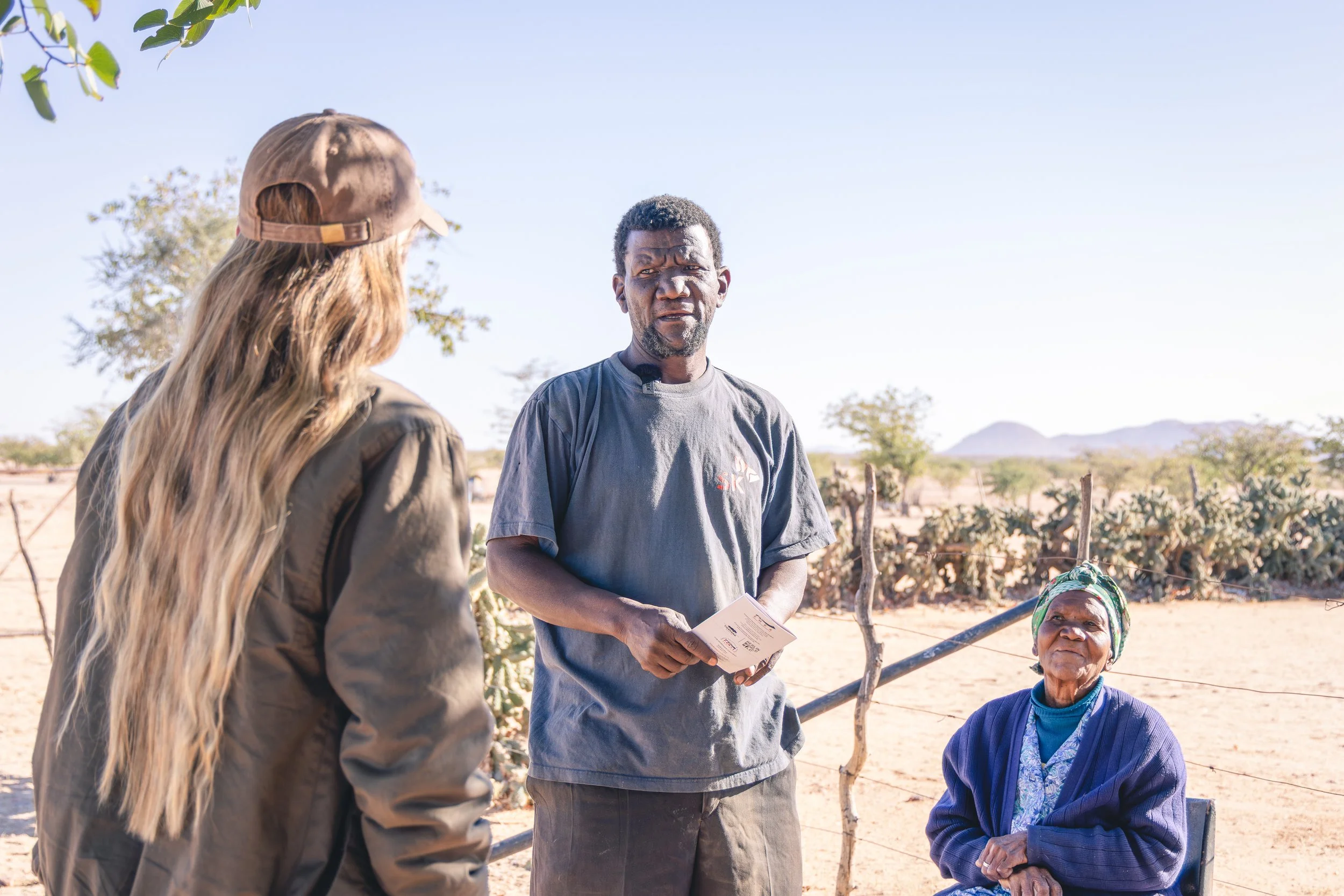
She hopes audiences feel the same — that they'll watch the series, fall in love with one of the five heroes across the episodes, and go find their page, donate, and tell someone else. That they'll step back from wherever they are — LA, São Paulo, London — and feel the connection to what's happening in a fenced-off reserve in South Africa and think: what can I do?
That's the film. That's why she's still fundraising, still in post-production, still fielding texts from Zimbabwe conservationists telling her stories she hasn't heard yet.
Nobody really knows what they're doing, she says. That's okay. Go anyway.
Kendra Carano is the director and producer of Guardians of Conservation. You can follow the project's journey and support it here. To learn more about Wild Lens Collective and the filmmakers documenting the wild world, visit wildlenscollective.com